What a feeling, looking up at the powdery blue sky, light splintering through puddles of clouds clustering around the sun, opening into a blinding wound. Or listening to the faithful waves of the ocean kissing the shore, again and again, until a fight erupts, screaming cymbals crashing. And what a world we exist in now, so detached from nature where touching grass has become fetishized, connection to the sea romanticized, and feeling lost within our world normalized as we continue to destroy it.
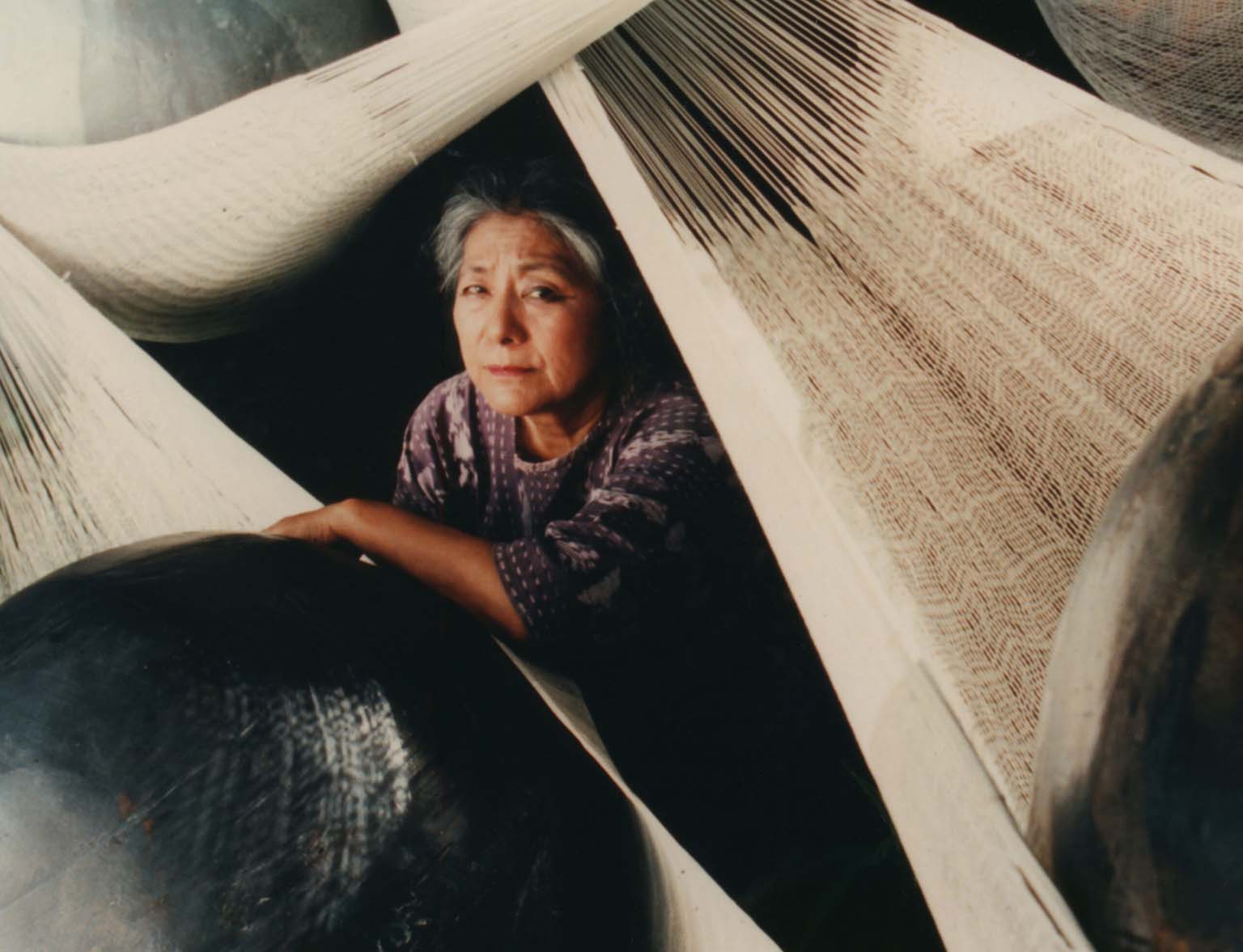
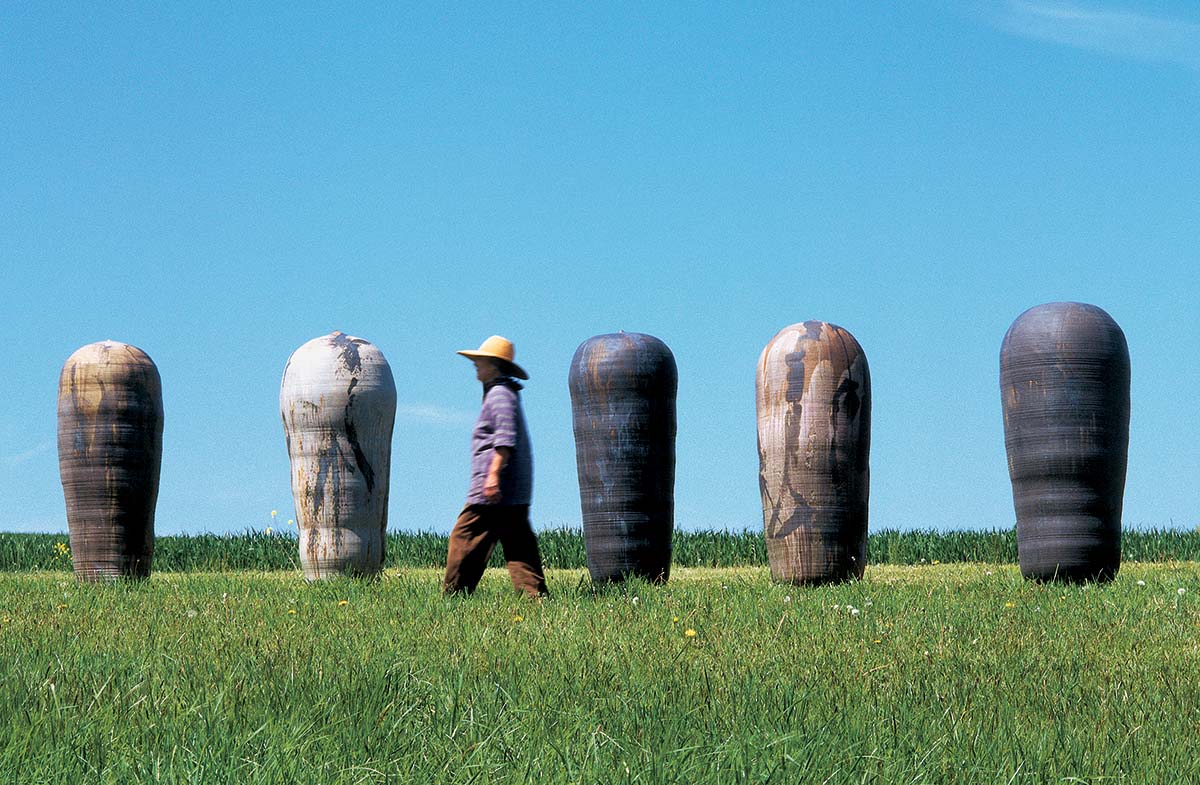
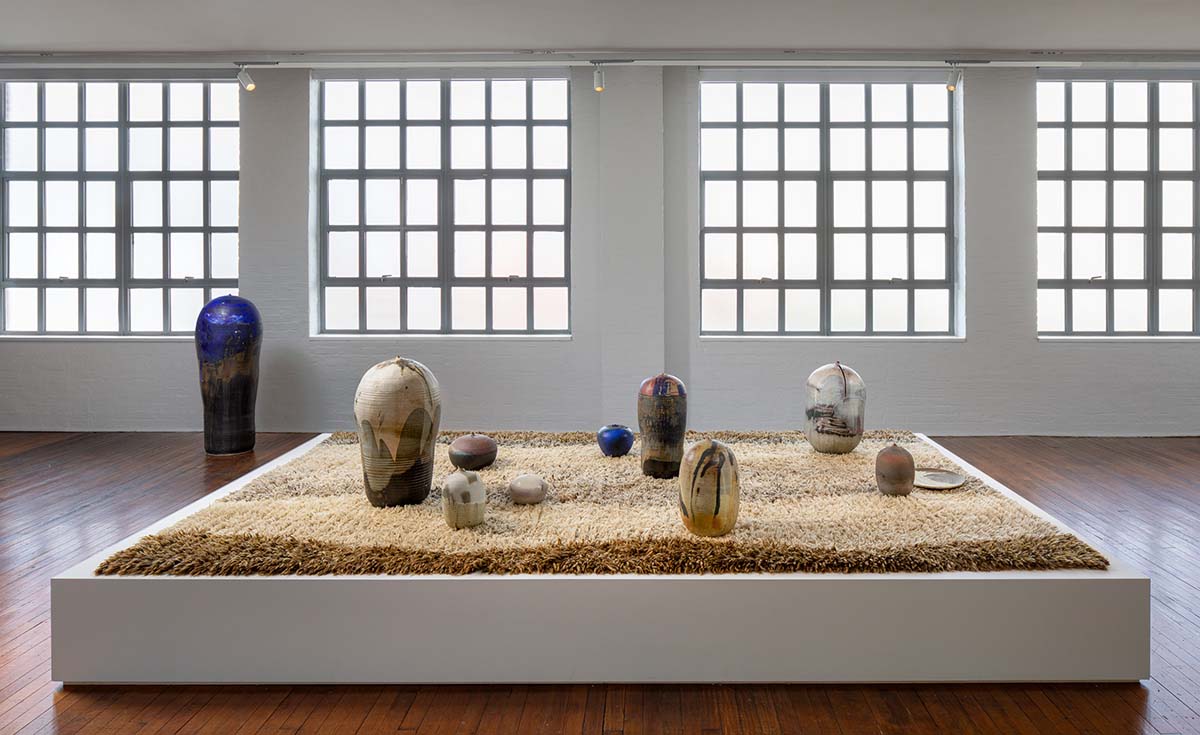
Worlds Within, Toshiko Takaezu's traveling retrospective, is a reminder of and homage to earth's grandeur, enigma, and beauty. From her multi-spouted vessels from the 1950s to large-scale installations created in the early aughts, a mountainous selection spanning 200 works reveals the artist's esoteric explorations, playful collaborations, and unwavering reverence for our planet and its plenteous offerings.
“You have to enjoy nature, to fill yourself with it, so it comes through your pores. If you enjoy it, it goes into your system, so that whatever you do, it is part of you.”
- Toshiko Takaezu
Quoted in Worlds Within, p. 281, originally from "Distinguished Ceramist Shares Work, Teaching of Philosophy," Sunday (Portland) Oregonian, January 31, 1971.
If you frequent museums in the United States, you've likely come across a Takaezu piece, perhaps at the Metropolitan Museum of Art, the Philadelphia Museum of Art, or one of dozens of institutions around the country and abroad. Yet it was not until now, thirteen years after her death and over twenty years since her last nationally touring show, that we've been gifted a posthumous study, a perspicacious tribute honoring one of the twentieth century's greatest abstract artists and her seven decades of commitment to her craft.
Organized by the Isamu Noguchi Foundation and Garden Museum, in partnership with the Toshiko Takaezu Foundation and her extended family, the exhibition began its voyage at the forenamed museum in Queens, New York, with pit stops at Cranbrook Art Museum, the Museum of Fine Arts, Houston, and the Chazen Museum of Art. Now, after a biennium, the show has reached its denouement, currently on view in her home state at the Honolulu Museum of Art.
“I was kind of the representative from the family to move it forward, and it was at the perfect time, because we all needed to work together for this significant moment in her career and her life, and for the sake of art history, woman artists, Asian American artists, ceramic artists, you name it.”
- Darlene Fukuji, President of the Toshiko Takaezu Foundation and Grandniece of Toshiko Takaezu
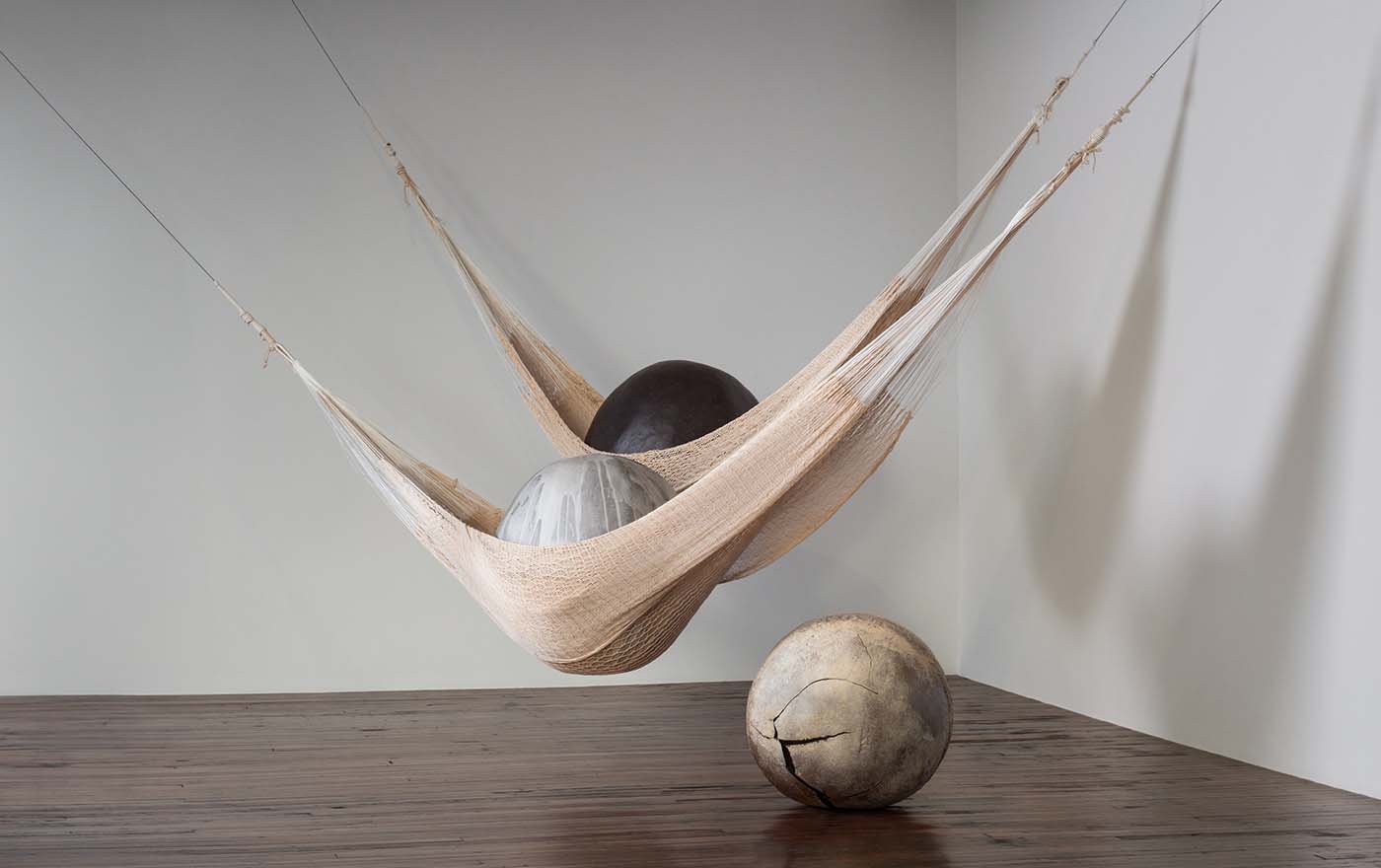
The host museums chosen for the chronological retrospective were, of course, very intentional. The Noguchi Museum had twice shown the prolific potter's work, and Isamu Noguchi and Toshiko Takaezu were, in fact, good friends, supporters, and kindred souls. Even in the afterlife, their practices and principles continue to converge, their respective foundations forging their legacies and arranging their confluence of spirits once again.
Dakin Hart, the Noguchi Museum's former Senior Curator, was instrumental not only in sowing the seeds for the show but also in the publication of its complementary monograph, sharing its name. Worlds Within connotes Takaezu's closed clay forms, for which she might be best known, referring to "'the dark space that you can't see' — the hidden worlds within.” Co-curators of the exhibition, Leilehua Lanzilotti, composer and multimedia artist; Kate Wiener, curator at the Noguchi Museum; and Glenn Adamson, curator and author, all contributed sapient texts, the latter two of whom, along with Hart, are editors of the book.
“The title of the show is meant to evoke the vital sense of resonant space expressed in Takaezu’s work and alludes to her assertion that the most important aspect of her closed forms is ‘the dark space that you can’t see’ — the hidden worlds within.”
- Chazen Museum of Art
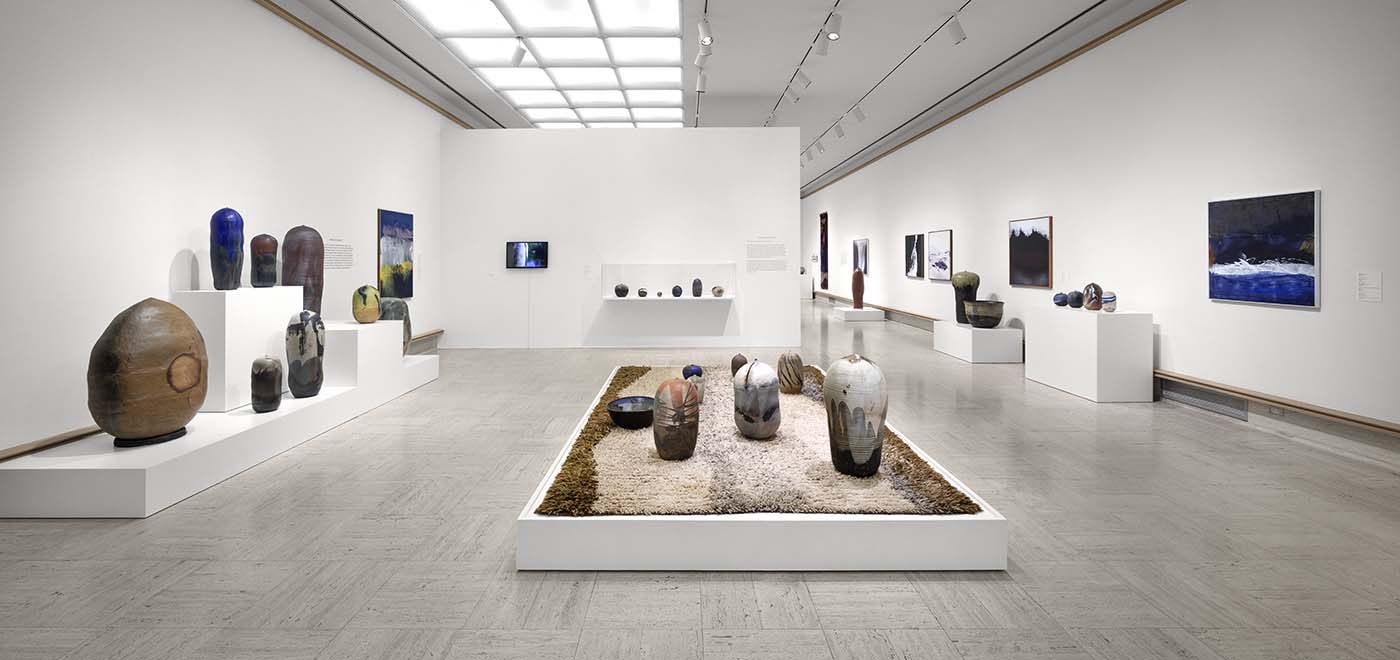
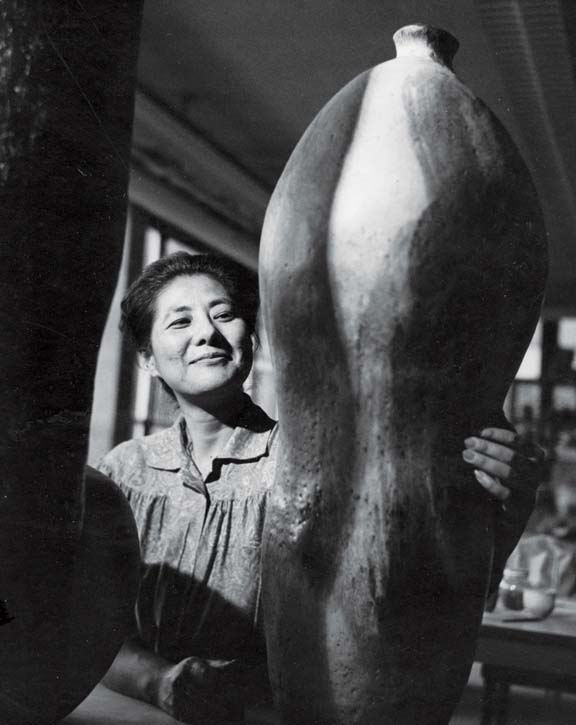
Glenn Adamson, an undeniable connoisseur in craft and design, unravels the artist's life from her humble beginnings in Pepeʻekeo, Hawaiʻi, to her crowning decades in Quakertown, New Jersey. In a comprehensive chronology, reading anything but stale (as they so often can be), he details intimate glimpses into the very private Takaezu, with images of the artist and her work linearly peppered throughout. Sensitively and astutely outlined, he contextualizes the Japanese-American woman against the patriarchy and racism of her time: women's suffrage still fresh, and the country's hostility toward her heritage in the wake of Pearl Harbor.
Here, in the timeline, is also where readers are introduced to Takaezu's first trip to the mainland. Migrating to Bloomfield Hills, Michigan, in 1951, she studied at the Cranbrook Academy of Art and was featured in a student exhibition at the Cranbrook Art Museum, the second stop of the traveling show.
“Hawaiʻi was where I learned technique. Cranbrook was where I found myself.”
- Toshiko Takaezu
Quoted in Worlds Within, p. 7, originally from Conrad Brown, "Toshiko Takaezu," Craft Horizons 19, no. 2 (1959).
The academy's radical approach to pedagogy welcomed experimentation, and Takaezu was fully engrossed. Devoted to the studio, she was tenaciously tackling techniques and conceiving works that would foretell what was to come: flirtations with her signature gestural marks, utilitarian objects seeping into sculpture, and rya rugs and textiles that would later become backdrops and grounds for her installations (many of which were marvelously mirrored in Worlds Within). Laura Mott, the Cranbrook Art Museum's Chief Curator, further elaborates on the school's significance in her essay featured in the monograph, a sentiment the potter clearly shared, given her donation of fourteen works to the museum.
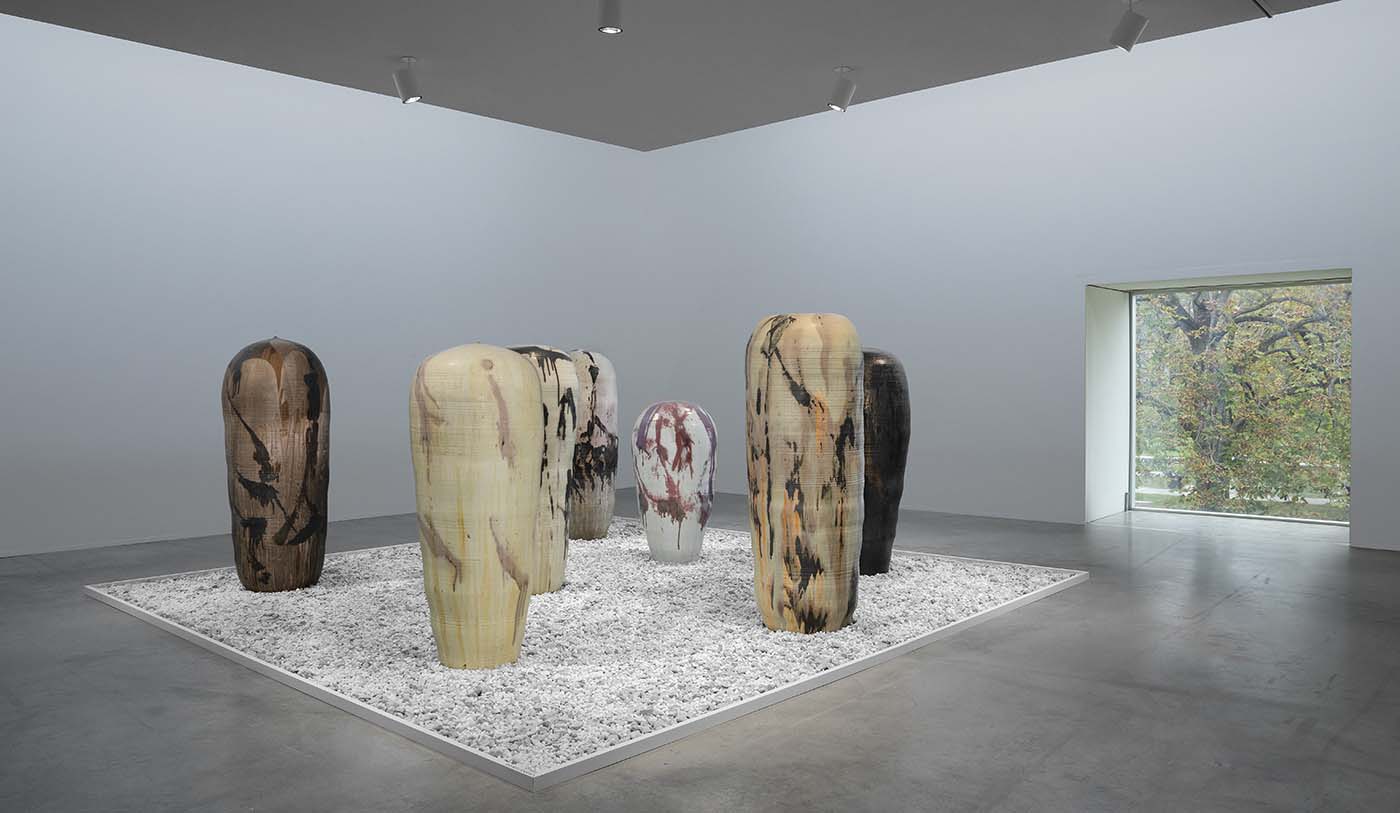
It could be forgotten that Toshiko Takaezu was, first and foremost, American. Not infrequently orientalized, her works were often perceived through a myopic lens, sans mindfulness of multiculturalism and cross-culturalism. The Museum of Fine Arts, Houston, is where the exhibition went next, a noteworthy space "given its strength in [spotlighting] abstract art and American studio ceramics," distinguishing Takaezu as a key American figure and geographically strategic in bringing the show down South. Katy Siegel, Research Director at the San Francisco Museum of Modern Art, elaborates brilliantly in the monograph on a point made throughout: although the influence of Asia (calligraphy, ink drawings, beliefs) is undeniable, equally important was the avant-garde, postwar, 1950s New York Abstract Expressionism. A multilayered derivation beneath her seemingly simple strokes, her approach combined both action and "zen" as she treated the clay as canvas, spontaneously dripping, slashing, pouring, and painting with slips, glazes, and oxides whilst dancing around her rotund forms.
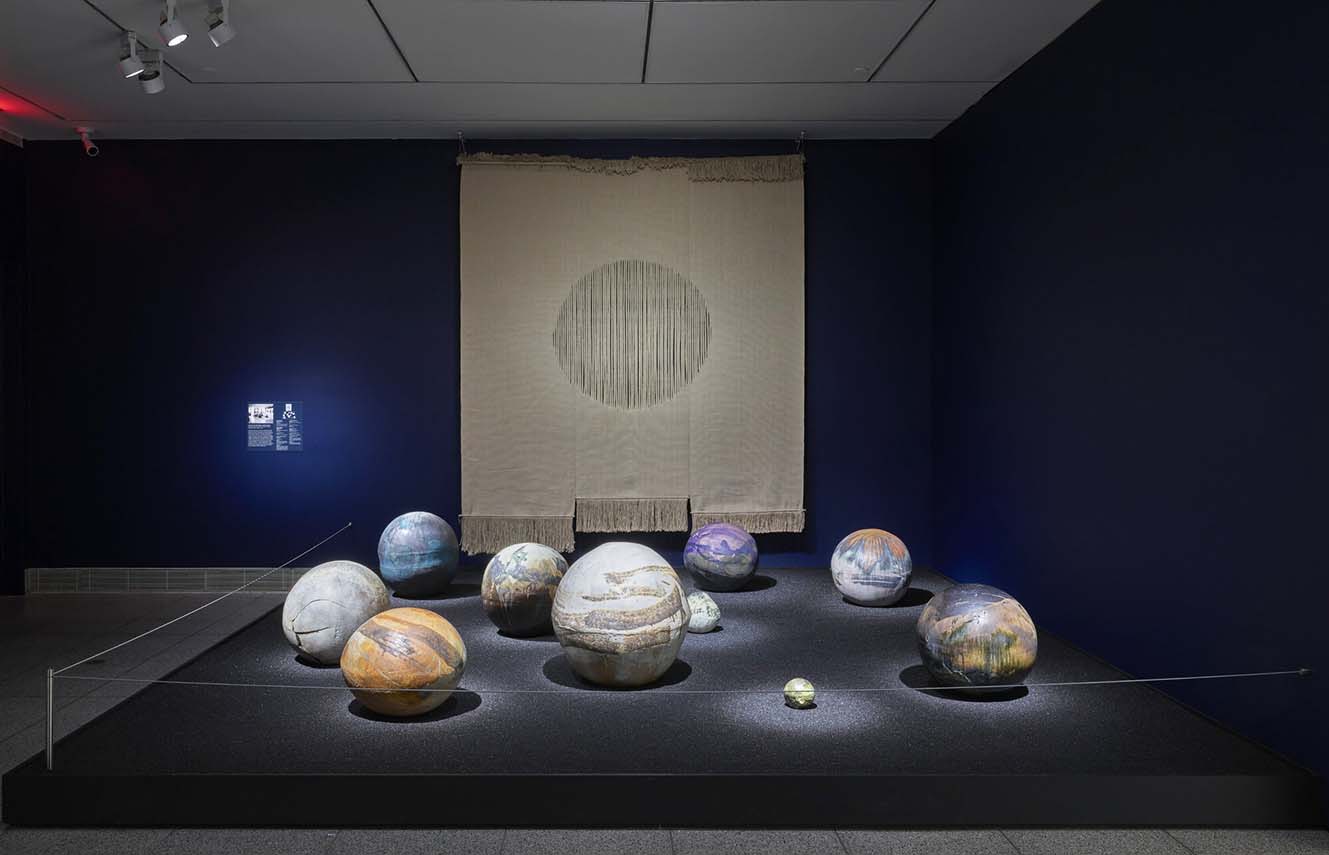
The penultimate stop of Worlds Within, the Chazen Museum of Art, situated on the campus of the University of Wisconsin-Madison, tells a different story. "Takaezu came very close to quitting ceramics in 1955," Adamson writes, recounting her temporary position at the school. Her inexperience teaching, compounded by personal uncertainties, led her to take a trip to Japan rather than continue for a second term. A frustrating period heading to the cliff of her career fortunately leapt toward perseverance, as she would resume teaching for another three decades as an esteemed professor and mentor. Seeing her luminous oeuvre on the land where she once sojourned as an unsure recent graduate is poignant, validating, and sweetly satisfying.
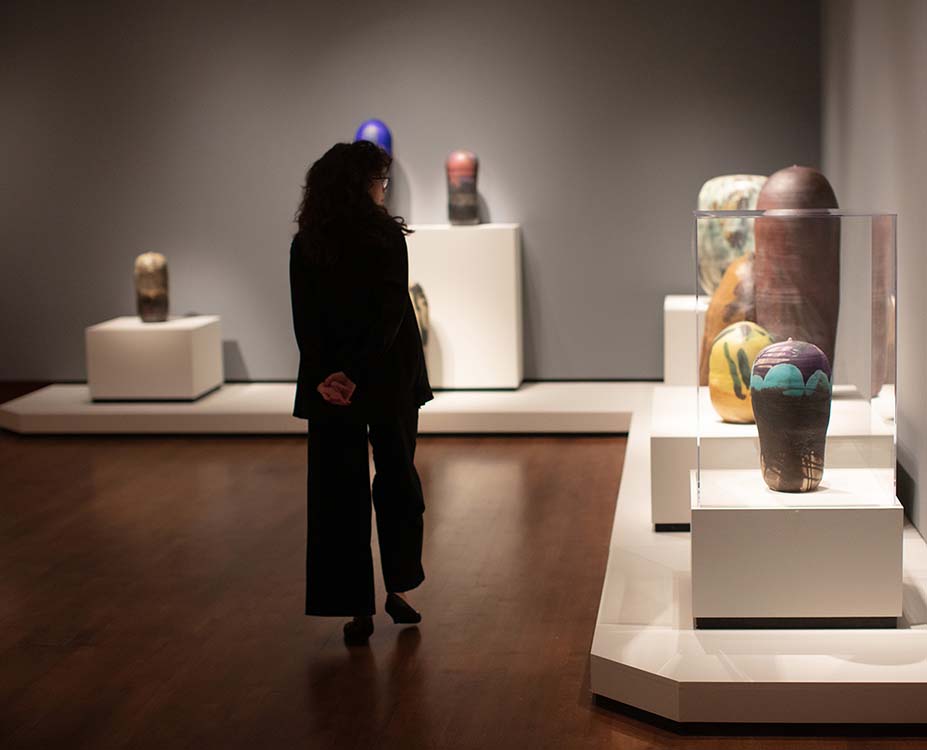
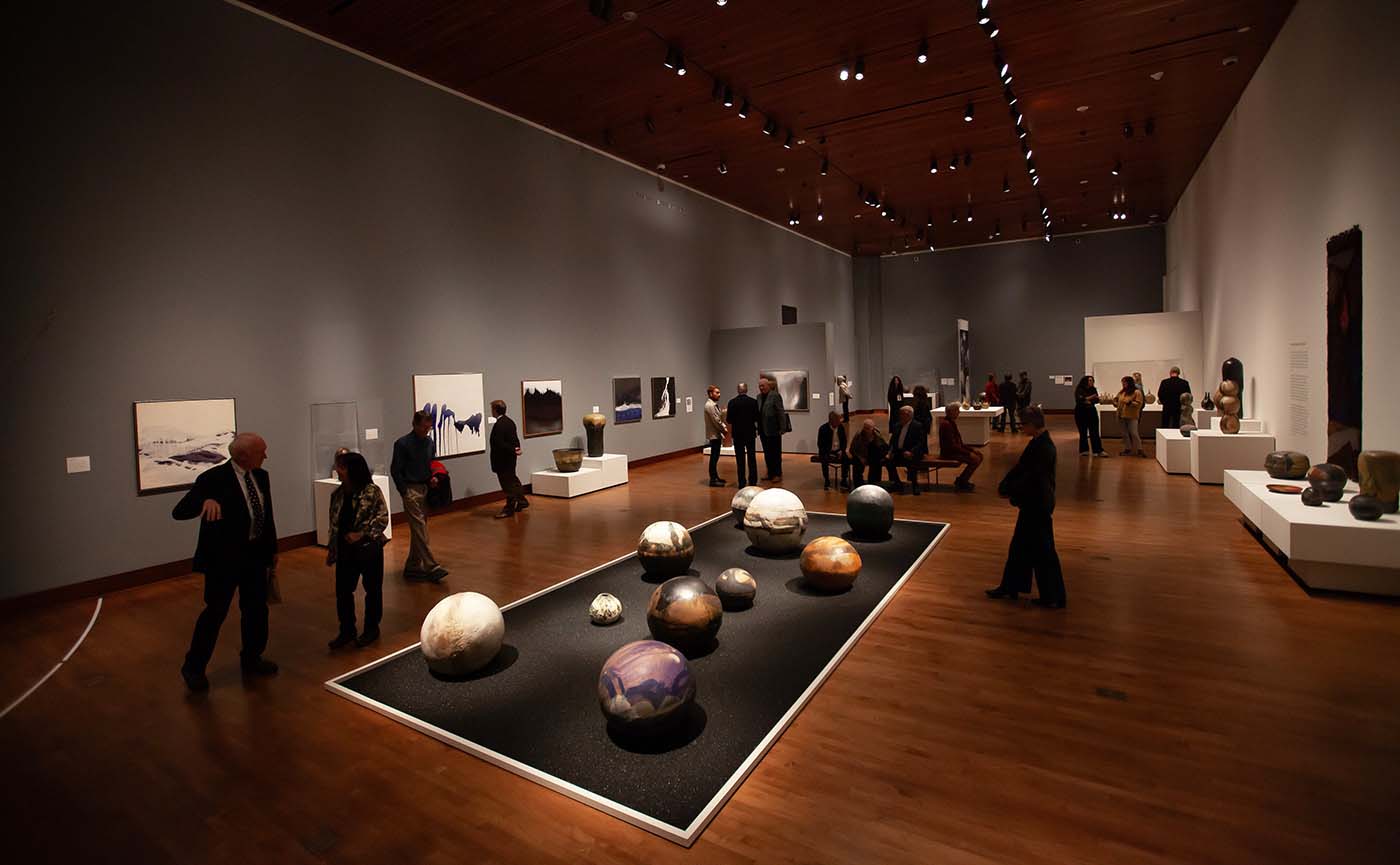
And finally, a homecoming, showing at the Honolulu Museum of Art (HoMA) until July 26, 2026, Takaezu, living on in her clay forms, has returned to her origins. Having hosted two solo shows in 1959 and 1973, HoMA was certainly invaluable in advancing her career and was a cherished rendezvous point for her local community. It is here, after all, where everything began: her first breath of the island air, first sounds of the ocean waves, first smell of the sugarcane she farmed, first touch of clay at the Hawaiian Potters' Guild, and her first sight of the lush tropical landscapes, all of which seep into and surface in her clay children. The touring pieces, distant relatives from private and public collections, reunite with their extended family as the museum adds dozens from its own holdings of 104 works.
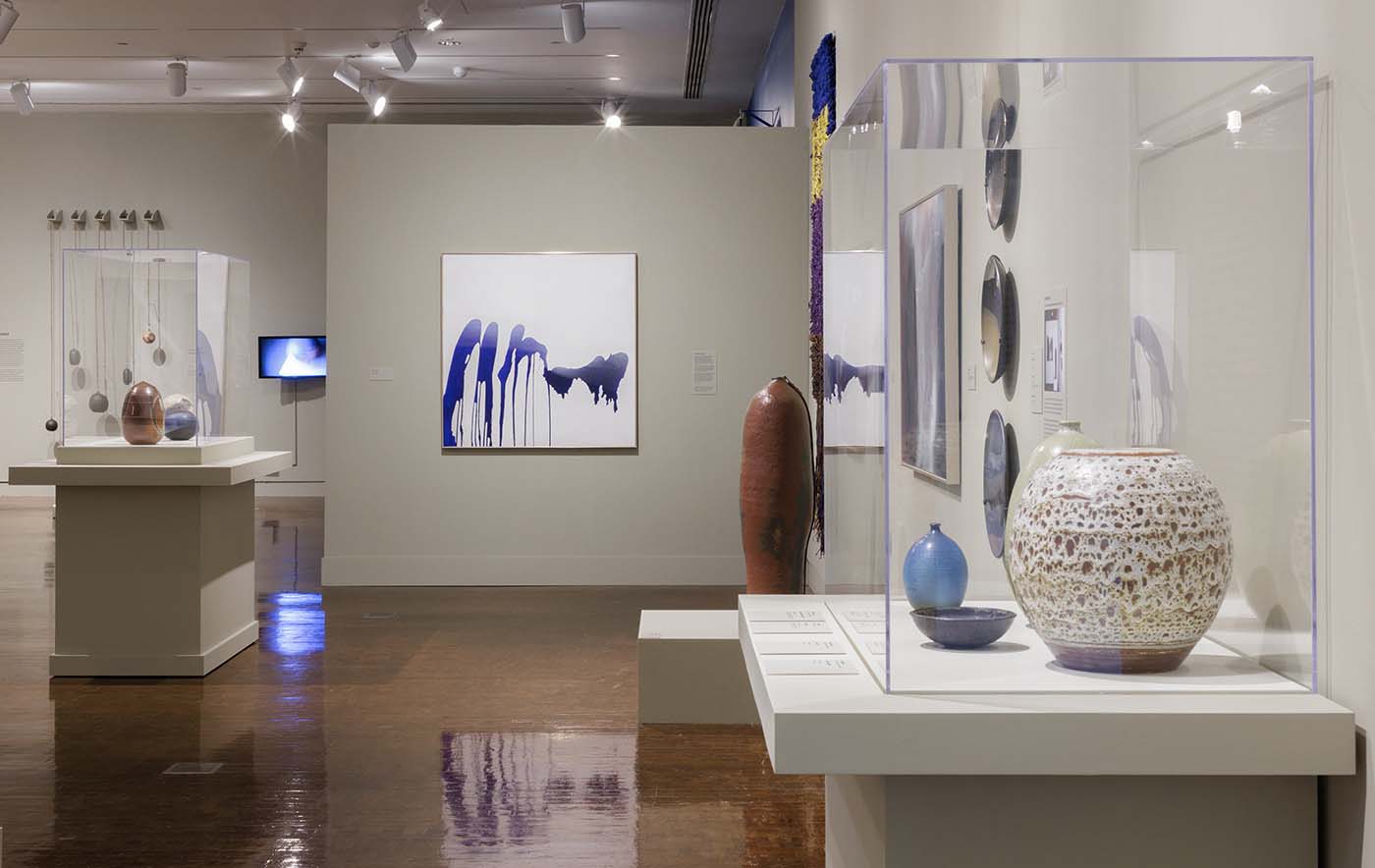
If you aren't able to see the show in person, no need to fret. Her foundation continues to keep activities ongoing, with another exhibition at UCCA Clay in Yixing, China, planned for this November. And if location remains a barrier, Worlds Within, the monograph published by the Isamu Noguchi Foundation and Garden Museum, New York, in association with Yale University Press, is available for purchase. With over 180 full-page plates of her paintings, ceramics, textiles, and bronzes and ten texts dissecting all her dimensions (including a letter by Takaezu herself), the book is a necessary read for artists, scholars, and even nature lovers.
Listen to Lanzilotti's commissioned compositions inspired by the sounds of Takaezu's sculptures whilst learning about her upbringing, explorations with clay, and perhaps more critically, her adoration, captivation, and surrender to our planet and beyond, to celestial curiosities. In Toshiko Takaezu, we find an artist whose intimate connection with the earth and the clay from its crust culminates in works of otherworldly beauty: what emerges when we enjoy nature and fill ourselves with it, so that whatever we do, it is a part of us.
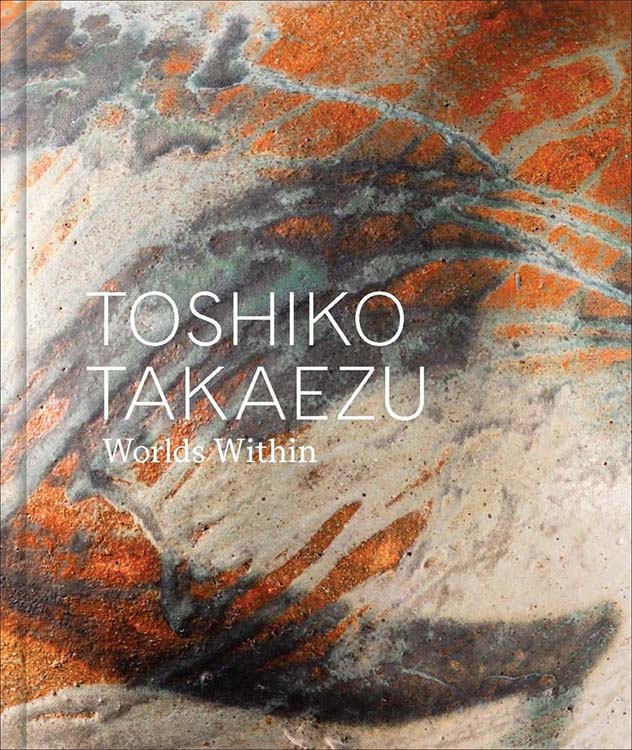
To learn more about Worlds Within:
Toshiko Takaezu: Worlds Within is available through Yale University Press

Learn more about Toshiko Takaezu on her foundation's website

Listen to Leilehua Lanzilotti's composition inspired by Toshiko Takaezu's sculptures