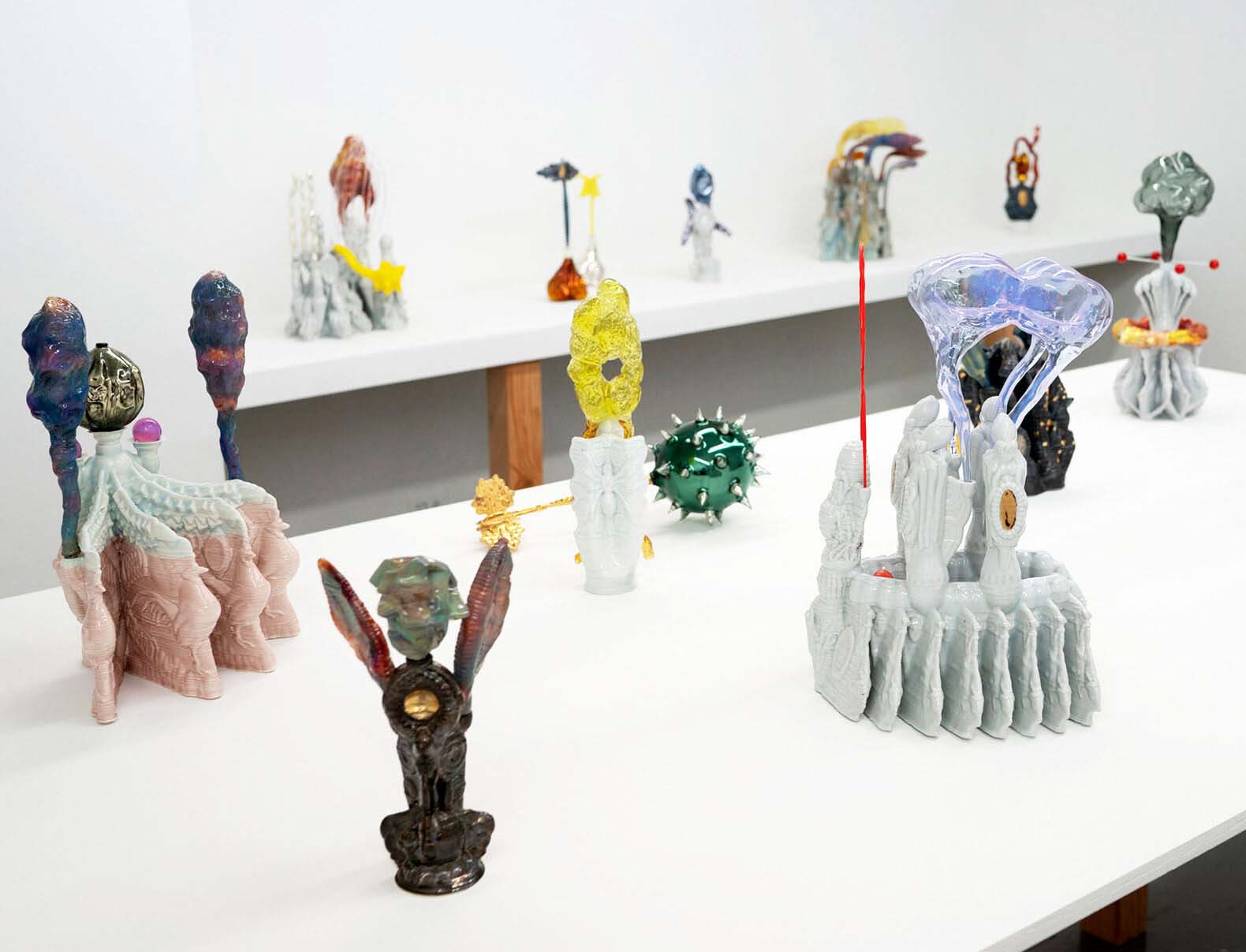
3D clay printing is an innovative artistic and technological practice that combines traditional ceramics with digital fabrication methods. Its origins can be traced to the broader development of additive manufacturing, commonly known as 3D printing, which emerged in the 1980s. First developed for industrial prototyping using plastics and resins, this technology quickly attracted artists, designers, and engineers eager to experiment with natural materials such as clay.
My own relationship with clay began in Amsterdam, Netherlands, during my undergraduate studies at the Rietveld Academy. At the time, I was also working as a chef in a Michelin-starred restaurant, having graduated from culinary school a decade earlier. For me, the transition from culinary practice to clay felt surprisingly intuitive. Approaching sculpture through a modular method—using components to construct larger compositions—provided an efficient way to develop “recipes” and “menus” for my work.
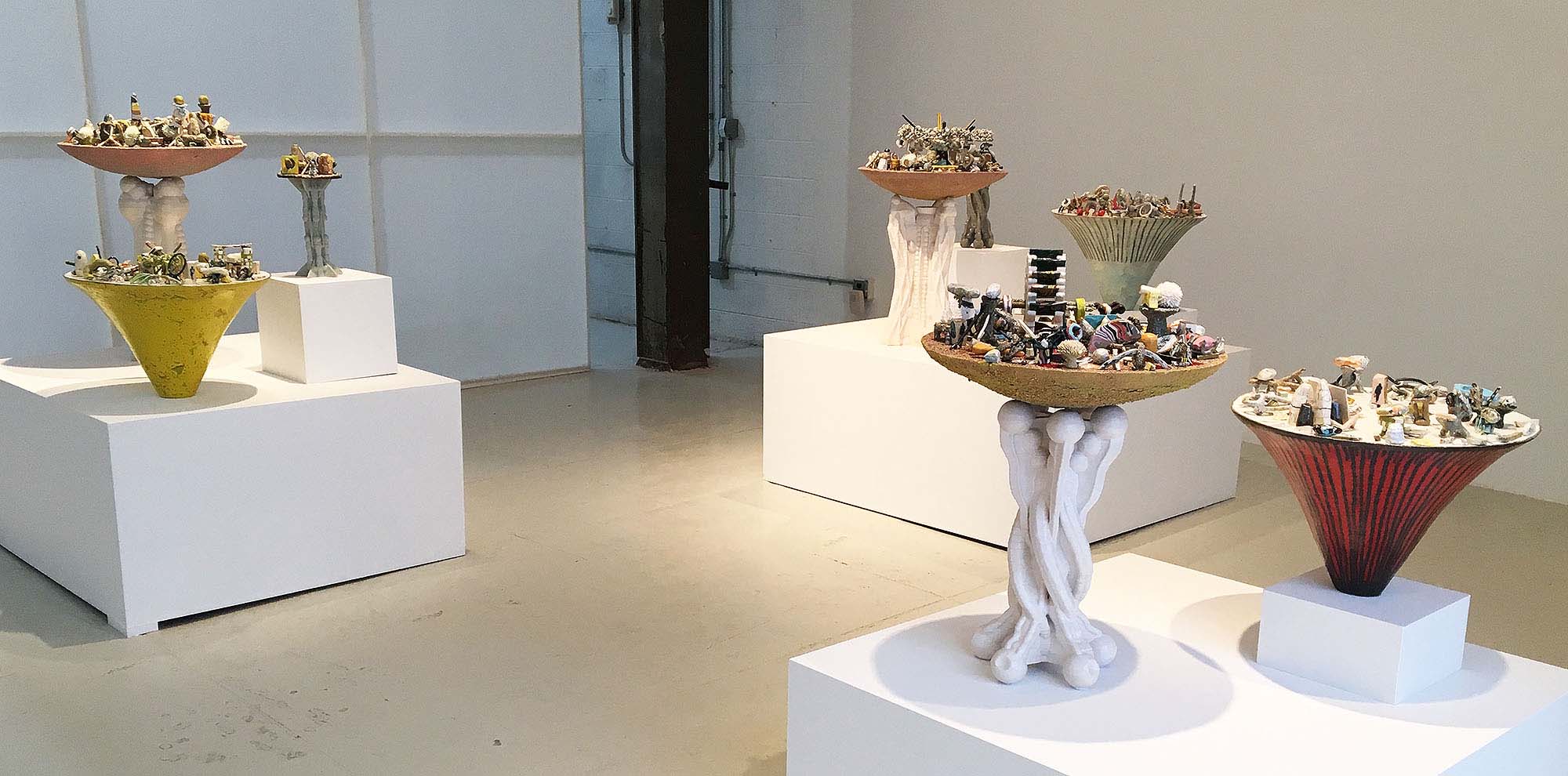
In 2015, I began experimenting with a 3D Potterbot clay printer, initially incorporating 3D printing into my practice as a single structural element. By then, the broader field of ceramic digital fabrication had already been evolving for over a decade, and the emergence of commercially available clay printers allowed me to devote greater attention to formal experimentation rather than machine construction. During the early 2000s, research institutions and experimental ceramic studios had developed extrusion-based systems capable of depositing layers of wet clay through digitally controlled nozzles. These technologies enabled forms that were difficult or impossible to achieve through traditional hand-building or wheel-throwing methods, while universities, makerspaces, and fabrication laboratories played a central role in advancing the field.
Although artists working with soft-material printing pursued diverse directions—such as Michael Eden’s engagement with ceramic history or Ronald Rael’s architectural investigations—my own interest centered on the modular sculptural potential of this emerging medium. I have long been drawn to creative forms that generate narratives within narratives, where distinct elements remain autonomous while simultaneously contributing to a larger whole. Sources of inspiration include the fountains of the Boboli Gardens in Florence and the reliquaries found in churches and museums across Southern Europe, where I was raised. I am particularly interested in their “Russian doll” layering of stories and their combination of intricate ornamentation with deliberately naïve forms.
Producing naïve yet highly intricate forms through digital tools—technologies often associated with coldness, precision, and calculation—presented an especially compelling contrast.
Digital CAD programs, such as Fusion 360, offer an ideal environment for developing forms that could exist independently or be integrated into larger narrative systems, making them powerful instruments for what I consider a form of “world creation.”
A significant turning point in this exploration came when I was offered a residency at the Harvard Ceramics Program, where I assisted in the installation and setup of a Lutum 3D clay printer. During this period, I refined existing designs and explored the behavior and expressive possibilities of different clay bodies. At the same time, I began investigating the incorporation of additional materials as extensions of the 3D printing process. In pursuit of this direction, I contacted glass artist Amy Lemaire, with whom I developed a body of work combining clay and glass.
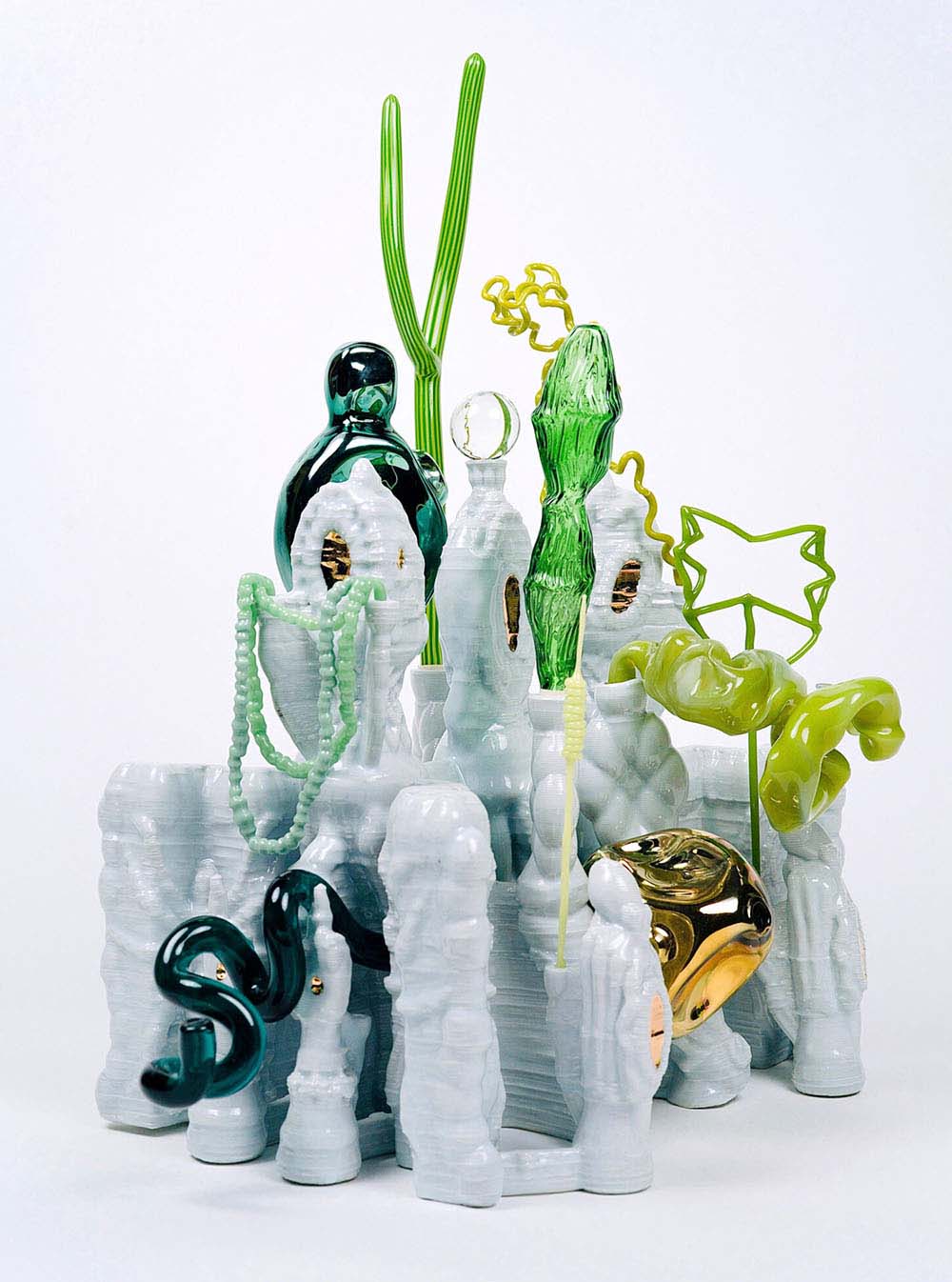
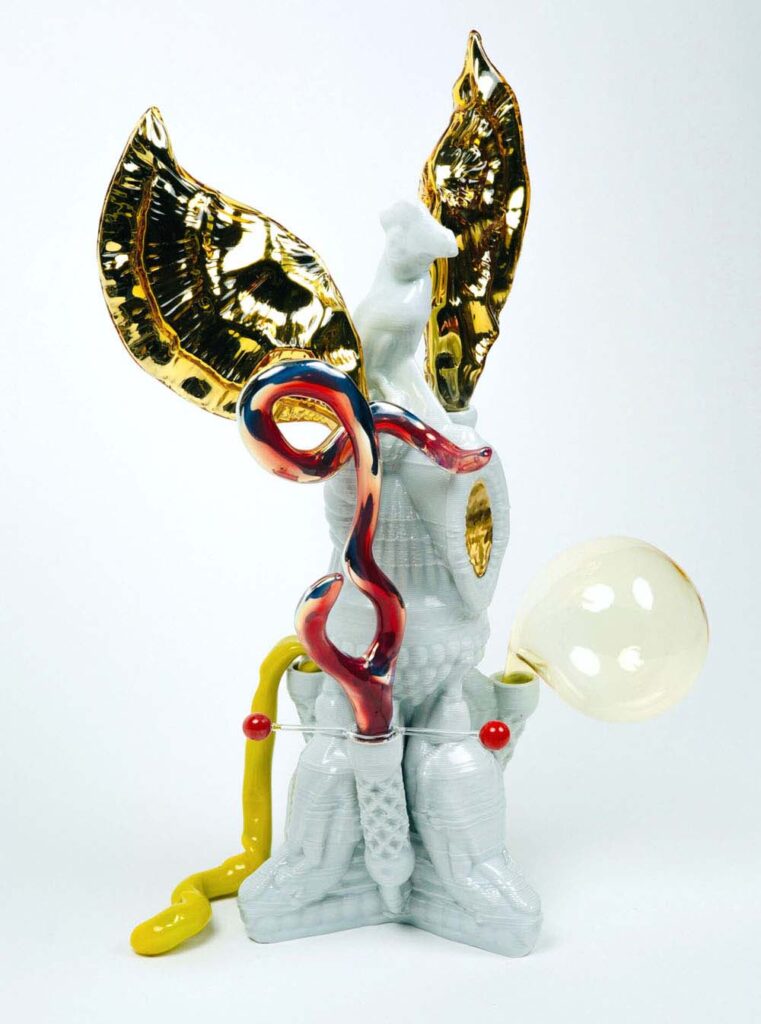
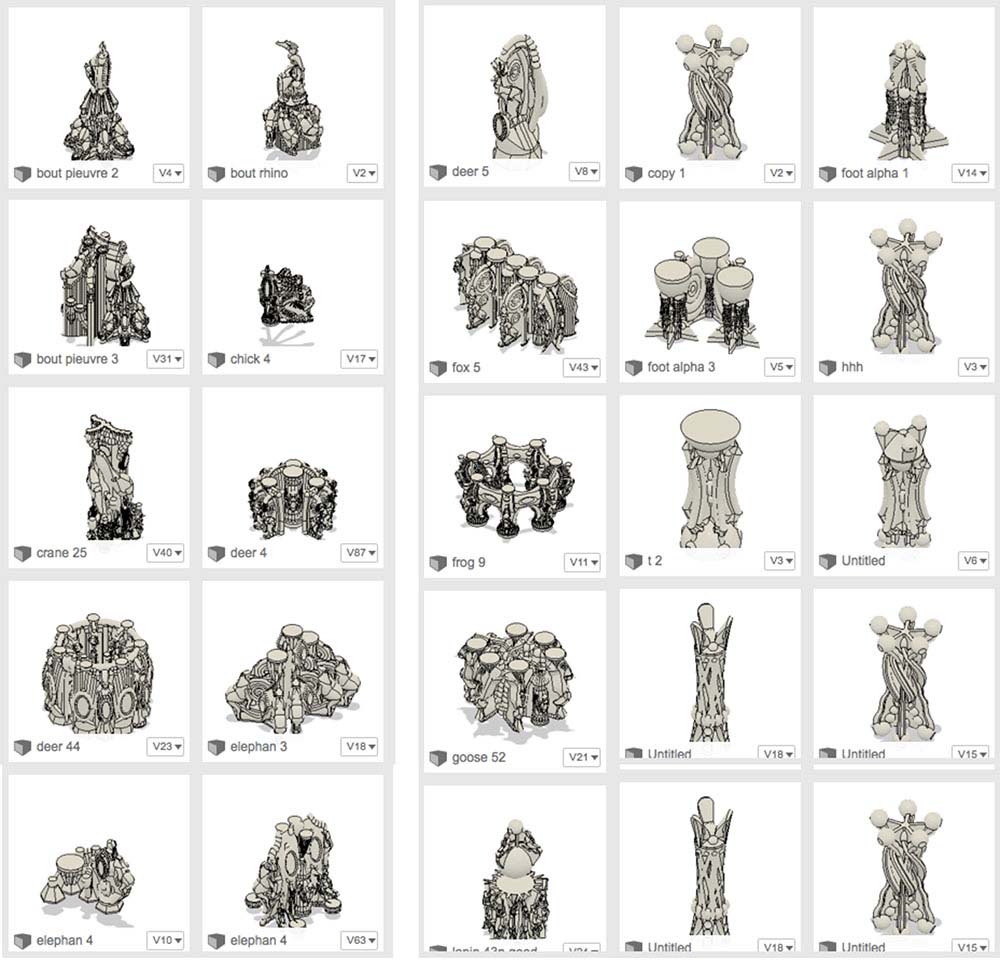
By then, I had accumulated hundreds of digital sculptures, creating a snowball effect that allowed forms to be continuously recombined, transformed, and nested within one another, producing increasingly complex structures and layered narratives. The ability to clean, modify, and manually refine printed clay also introduced a productive overlap between digital and hand-based techniques.
When I reach the printing stage, I rarely determine the final outcome in advance. Instead, I select different digital files and clay bodies and use the printing process itself as a space for experimentation, adjusting extrusion, speed, and other parameters as the work develops. I consider this element of unpredictability essential.
In a complex, layered process of form-making, there is a risk that excessive technical control can reduce creativity to a sequence of predetermined and increasingly mechanical steps. Introducing chance allows the process to remain open, responsive, and materially driven.
I also deliberately push the printers beyond their conventional limits. I experiment with increasing the scale of a work by dividing it into multiple sections, producing prints that run continuously for eight to ten hours, and eliminating conventional supports in order to extend the possibilities of printable surfaces. These limitations are not simply technical challenges; they become part of the creative process. The behavior of the machine, the material, and the unexpected consequences of pushing both beyond their normal parameters can generate forms that could not have been fully anticipated through digital design alone.
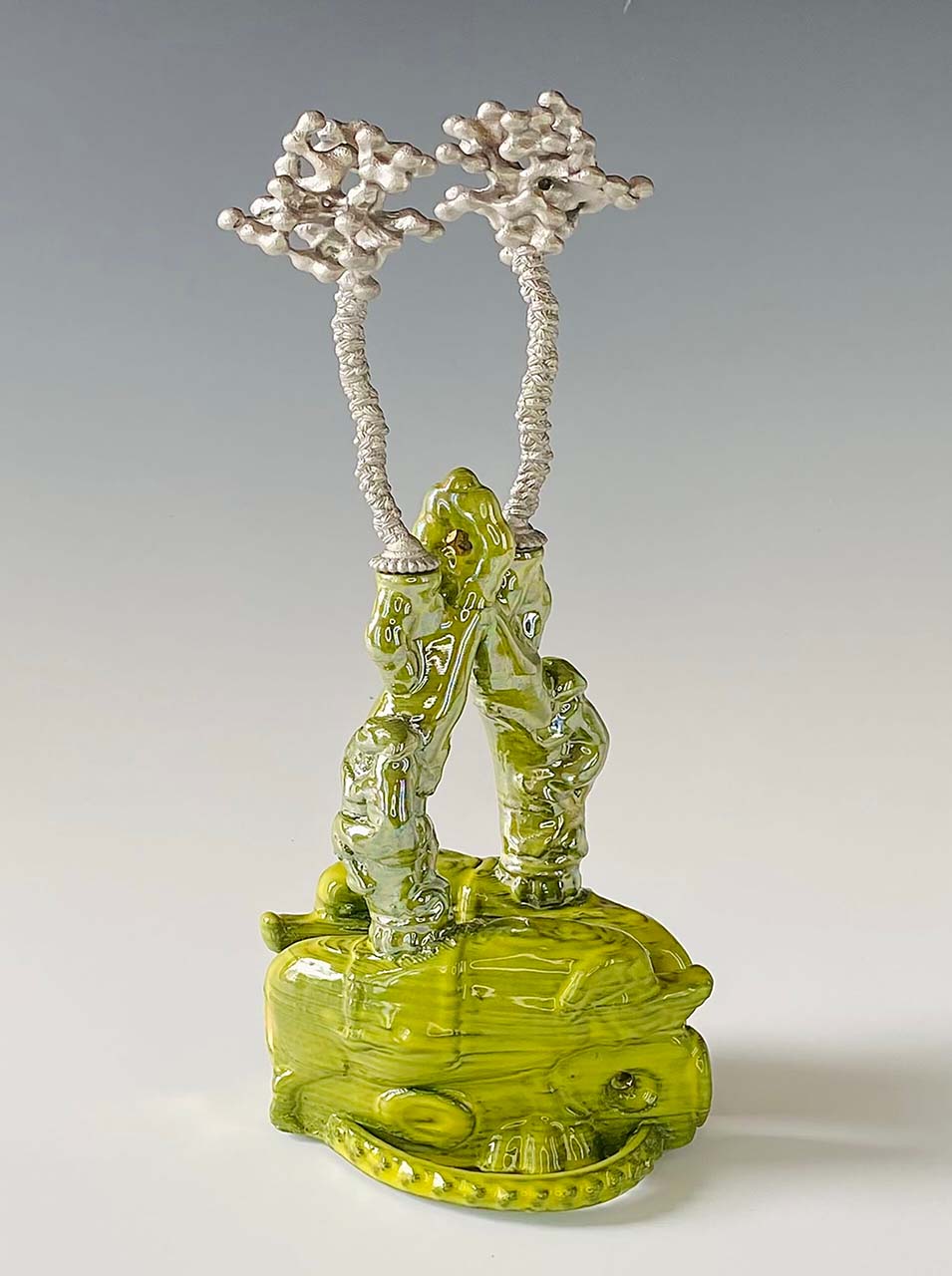
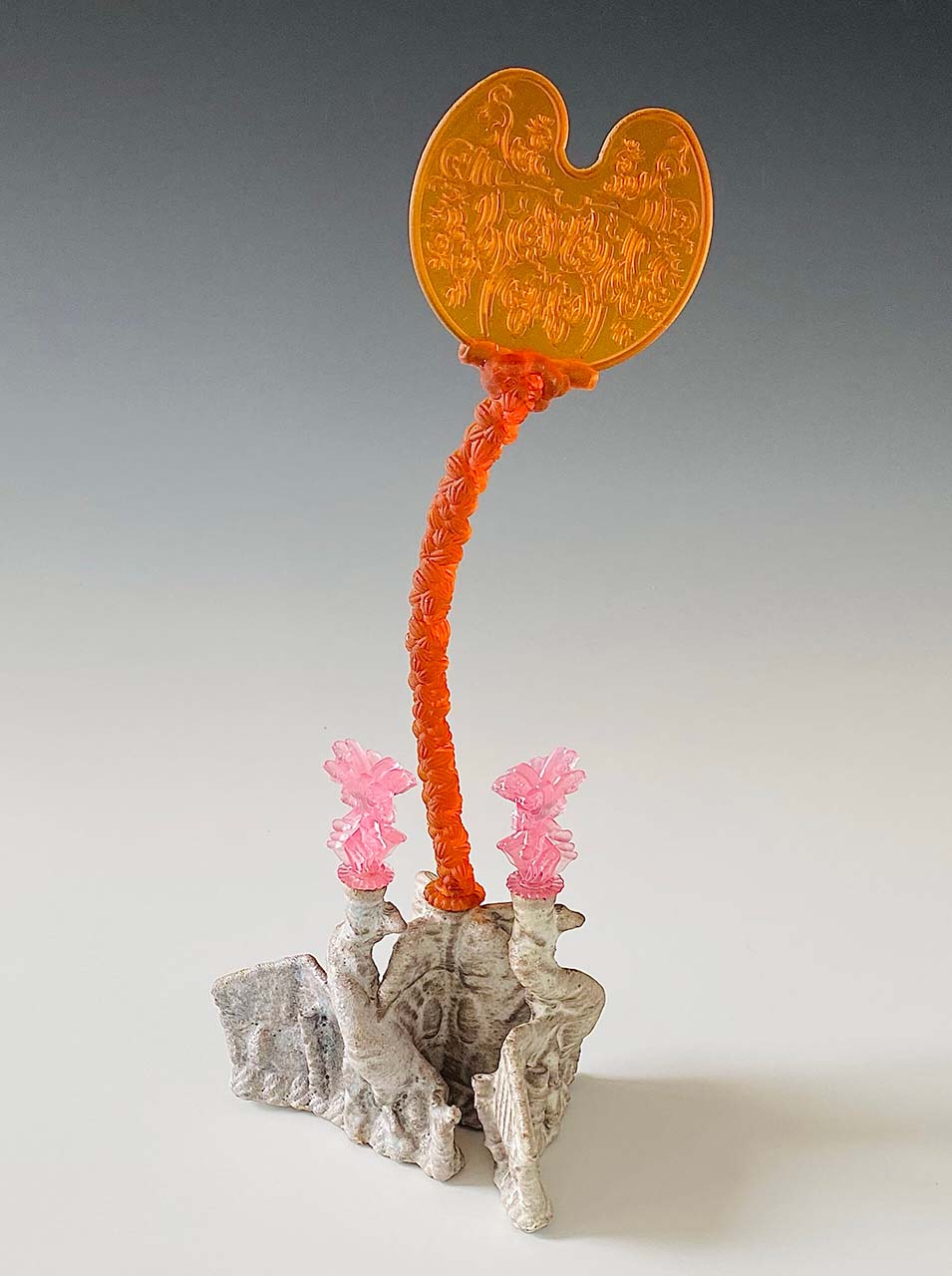
The process of 3D clay printing can be divided into four main stages. Each stage offers a wide range of creative possibilities that contribute to the final outcome and help define the field in which the work operates, whether design, fine art, architecture, pottery, or machine fabrication. The boundaries between these disciplines are fluid, and crossover between them is a constant aspect of the medium.
Personally, I focus primarily on creating sculptural forms using CAD software such as Fusion 360 to generate STL files. I typically develop multiple forms simultaneously, moving back and forth between projects while drawing inspiration from the natural world, architecture, and sculptural works found in institutions such as the Metropolitan Museum of Art. Through this iterative process, I create and combine a multitude of forms into new configurations. Throughout the design phase, I remain mindful of the physical constraints of clay, allowing me to anticipate and avoid common issues during printing, such as collapse, deformation, and structural instability caused by gravity and material consistency.
Depending on the printer and institutional recommendations, I work with programs such as PrusaSlicer, Simplify3D, GCodeTools, and Cura. While manufacturers provide standard printer profiles, these settings can be extensively modified to adjust parameters such as extrusion speed, layer height, infill density, and print path. Such adjustments are essential for accommodating the wide variety of clay bodies that can be used in the printing process.
A few days before printing, I prepare the clay, often by manually adding a small amount of water to achieve the desired consistency. I then manually compact the clay into the printer’s tube or cartridge, a process common to most clay 3D printers. I begin by testing and adjusting the printer’s pressure—either mechanical or air-compressor-driven—to determine the appropriate clay flow, layer thickness, and consistency. I also modify the manufacturer’s recommended settings in the slicer program, experimenting with layer height and nozzle size to find the combination that produces the most interesting results while maintaining structural integrity.
While plastic filament printers generally produce predictable results, clay printers require significantly more expertise, testing, and supervision. I often use a 3D PotterBot for larger works and a Lutum printer for more intricate designs. Their operation offers opportunities for creative intervention through adjustments to air pressure, nozzle size, extrusion rates, and printing strategies. Although technical accidents are more common with clay, the material's malleability and reparability make these unexpected outcomes valuable opportunities for experimentation and the development of unique visual effects.
During the printing process, I carefully monitor the piece and make adjustments as needed. I may partially dry the clay to help maintain its structural stability or manually add temporary support to prevent the outer walls from deforming. Once the printing is complete, I carefully touch up the small imperfections inherent to the clay-printing process before allowing the piece to dry completely and proceed to firing.
Once the 3D-printed parts are produced, I keep them leather-hard in tightly sealed plastic bags until all pieces are ready to assemble. Every piece will have been designed with a side ready to join. I join them using slip, first scoring the connecting surfaces (often easy because the printed layers are already textured) and then reinforcing the seam with additional slip. The joint is then compressed and smoothed to create a strong, continuous bond. I often use a comb to recreate the printed line pattern and disguise the seam. As the sculpture dries, all pieces must dry slowly and evenly to prevent cracking or separation. When possible, I assemble the sculpture directly on a kiln shelf with paper underneath to avoid unnecessary movement before firing, since the walls are often rather thin at about 3.5mm of thickness for an average easy print. Afterwards, I treat the piece as I typically do for clay sculpting.
3D clay printing stands as a dialogue between ancient ceramic traditions and emerging technologies, expanding the possibilities of artistic expression, material experimentation, and digital craftsmanship. For me, the purpose of digital fabrication is not to reproduce the logic of the machine, but to use it as a tool for developing meaning. I resist what I see as a recurring "digital" aesthetic in clay printing: forms that appear highly resolved but ultimately feel generic because they depend too heavily on automated or algorithmically generated geometries. Instead, I place storytelling and intuition at the center of the process. The digital file is only a starting point; the final form emerges through an ongoing negotiation between intention, material, machine, and chance.
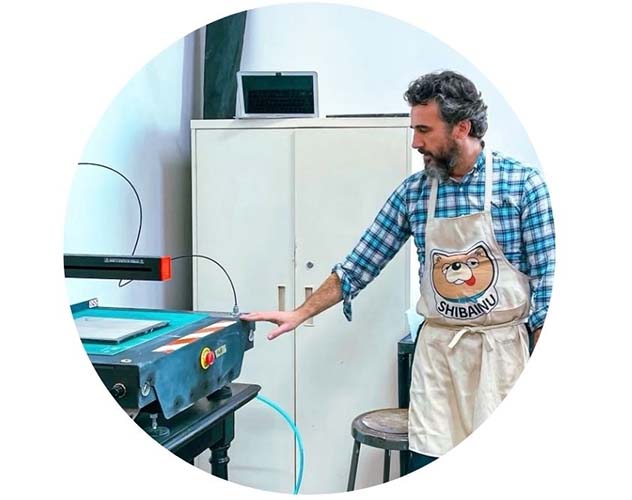
Nicolas Touron is a French-born, New York-based artist whose sculptural practice combines ceramics, digital fabrication, and storytelling. His pioneering exploration of 3D clay printing transforms digital forms into complex ceramic structures, creating a dialogue between traditional craft, technology, and the evolving relationship between nature and human invention.Touron teaches classes and workshops at SVA, Pratt, and Powerhouse, where he also produces his work.

Ongoing and upcoming solo and group exhibitions in 2026 at New Bedford Museum, Ceramic Art Fair Paris with Powerhouse, Centre Céramique de Giroussens, Westbeth Gallery, and Equity Gallery. WEBSITE